Unique Challenges for Tesla Paint Protection Film
Tesla vehicles are redefining the automotive world, combining cutting-edge technology with sleek, minimalist design. Yet, their innovative aesthetics come with one notable concern – paint durability. Tesla owners often find themselves seeking the best Tesla paint protection film (PPF) to preserve that flawless finish from the moment it leaves the showroom.
In this article, we’ll dive into the unique challenges of applying paint protection film to Tesla vehicles, explore why these cars require specialized attention, and discuss best practices to achieve optimal, long-lasting results.
Why Tesla Requires Special Attention For PPF
While most cars benefit from paint protection film, Teslas present distinctive challenges that require advanced installation techniques. From their ultra-smooth body lines to sensitive sensors, each detail demands precision and expertise.
1. Softer Paint Composition
Tesla’s paint formulation is known to be softer than many traditional automotive paints. This softer surface is more prone to:
- Micro-scratches during washing
- Rock chips from highway debris
- Environmental damage from UV rays and bird droppings
Because of this, applying Tesla paint protection isn’t just about aesthetics – it’s about extending the paint’s lifespan. A quality Tesla PPF acts as a sacrificial layer, absorbing damage that would otherwise affect the original finish.
2. Seamless Design and Curved Panels
Tesla vehicles feature large, seamless panels and a distinct lack of body lines, making film application more complex. Installers must ensure that:
- The film contours perfectly around curved surfaces
- Edges remain invisible to maintain Tesla’s clean look.
- No bubbles or stretch marks compromise the finish.
Even a small misalignment can disrupt the car’s visual harmony. This makes precision cutting and digital templates essential in Tesla paint protection film applications.
Common Tesla PPF Challenges
Applying paint protection film for Tesla isn’t just about precision – it’s about overcoming the engineering nuances unique to these vehicles. Each model, from the compact Model 3 to the robust Model X, presents specific obstacles that even experienced installers must prepare for.
1. Complex Curvatures and Large Panels
Tesla’s signature design emphasizes smooth, aerodynamic shapes. While visually stunning, this design means larger single panels – such as the Model Y’s hood or the Model S’s rear quarter – must be wrapped seamlessly without visible joins. Unlike vehicles with segmented body lines, Teslas offer fewer natural cut points, making PPF alignment and stretching a delicate process.
2. Sensitive Cameras and Sensor Systems
Modern Teslas feature advanced driver-assistance systems (ADAS) that rely on sensors, cameras, and radar units embedded throughout the exterior. Incorrect PPF application – particularly over cameras – can lead to malfunctions or calibration issues.
To avoid interference, professionals use pre-cut PPF kits specifically designed for Teslas. These kits include sensor-safe areas that ensure the film provides full coverage without affecting crucial systems like Autopilot and Full Self-Driving (FSD) cameras.
3. Paint Variations and Finish Types
Tesla offers a range of finishes, including Solid Black, Midnight Silver Metallic, and Deep Blue Metallic, as well as the highly reflective Pearl White Multi-Coat. Each finish interacts differently with paint protection films:
- Gloss films enhance depth and mirror-like shine.
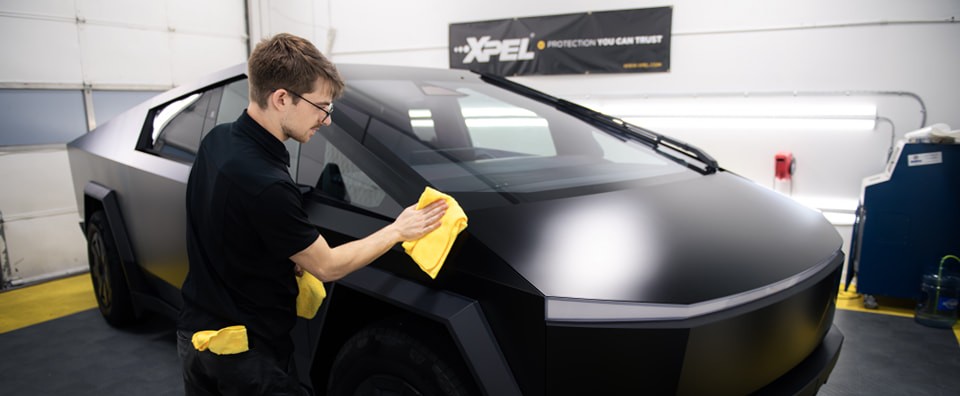
- Matte PPFs create a satin look without permanent paint alteration.
- Color-stable films ensure that UV exposure doesn’t distort Tesla’s paint tones over time.
However, differences in thickness, texture, and reflectivity make it essential to select a film specifically formulated for Tesla paint to prevent discoloration or trapped residue.
Certified technicians. Precision application. Lasting protection. Get a Quote
Solutions And Best Practices From Experienced Installers
Seasoned professionals in Tesla paint protection know that the right tools and techniques can make all the difference. Let’s explore the most effective methods experts use to deliver superior protection and flawless aesthetics.
1. Pre-cut Digital Templates
Leading installers use computer-cut patterns tailored to each Tesla model. These digital templates, created using laser measurements, allow:
- Precise edge alignment around curves and panels
- Reduced risk of paint damage from manual trimming
- Consistent fitment across identical models
This precision ensures the film adheres without overstretching, creating a seamless, invisible barrier.
2. Heat Application and Edge Wrapping
Tesla’s long, curved panels require controlled heat application to mold the film perfectly. Heat guns help soften PPF for smooth adherence, while edge wrapping hides seams under trim and lights – providing full coverage without visible edges.
3. Cleanroom-Level Preparation
Because Tesla’s paint is sensitive, professionals use a dust-free environment for installation. The car undergoes multiple cleaning stages, including:
- Clay bar treatment to remove contaminants
- Isopropyl alcohol wipe-down for residue elimination
- Static charge neutralization before film application
These steps ensure a perfect bond between film and surface, preventing bubbles and long-term lifting.
Maintenance Tips After PPF Installation
Once your Tesla paint protection film is installed, proper maintenance becomes essential to preserve both the film’s integrity and your vehicle’s shine. While PPF is engineered to withstand daily wear, neglect, or incorrect care can shorten its lifespan and reduce its protective qualities.
1. The Curing Phase Matters
During the first 7–10 days after installation, the PPF is still curing. It’s important to:
- Avoid washing your Tesla during this period.
- Keep it away from excessive moisture or rain if possible.
- Refrain from using pressure washers or waxes.
This allows the adhesive to settle fully, ensuring long-term adherence and clarity. Minor haze or water bubbles may appear initially but typically dissipate as the film cures.
2. Use Proper Washing Techniques
Regular washing helps remove road grime and pollutants that can degrade the film over time. Experts recommend:
- Washing your Tesla every 2–3 weeks.
- Using two-bucket methods (one for soap, one for rinse water).
- Applying ceramic coating over PPF for enhanced hydrophobic properties.
3. Handle Stains and Contaminants Quickly
Bird droppings, tree sap, and bug residue can etch into the PPF if left unattended. Use a mild detailing spray or PPF-safe cleaner to remove these contaminants promptly. For stubborn stains, gently apply isopropyl alcohol diluted with water – never use harsh solvents or degreasers.
4. Avoid Automatic Car Washes
Automatic car washes with spinning brushes can cause micro-abrasions on both paint and film surfaces. Stick to handwashing or touchless systems to protect your Tesla paint protection investment.
5. Annual Inspection And Maintenance
Professionally installed Tesla PPF typically lasts 5–10 years, depending on the product quality and maintenance. However, an annual inspection by your installer ensures early detection of issues like:
- Edge lifting
- Yellowing
- Water intrusion
- Adhesive wear
Regular professional maintenance can help you extend the Tesla paint protection film cost value over the vehicle’s lifetime.
Book a consultation today and protect your investment. Schedule an Appointment
Choosing The Right PPF Shop For Your Tesla
Selecting a qualified installer is as important as choosing the film itself. The wrong application can compromise even the best PPF brands.
1. Verify Experience with Teslas
A reputable shop should have verified experience working with Tesla vehicles. The installer should understand the intricacies of Tesla’s paint, sensors, and camera placements. Always check:
- Before-and-after photos of previous Tesla jobs.
- Customer reviews mentioning long-term satisfaction.
- Certification or brand partnerships (e.g., XPEL, 3M, SunTek).
2. Ask About Warranty Coverage
Quality Tesla paint protection film typically comes with a manufacturer’s warranty covering yellowing, peeling, or cracking for up to 10 years. Confirm the shop’s policy includes both product and labor warranties for peace of mind.
3. Compare Tesla Paint Protection Film Cost
PPF pricing varies based on film type and coverage area:
- Partial Front Package: $1,000–$1,800
- Full Front Coverage: $1,800–$2,800
- Full Vehicle Wrap: $5,000–$8,000+
Though the Tesla paint protection film cost might seem steep, it’s significantly less than a professional repaint or panel repair. When done correctly, it’s a long-term investment in both protection and resale value.
Conclusion
Protecting your Tesla’s pristine finish is more than just an aesthetic choice – it’s a smart investment. With their advanced paint formulations, futuristic designs, and sensitive systems, Teslas demand a specialized approach to paint protection film for Tesla applications.
With California Tint, regular maintenance, expert installation, and timely inspections guarantee that your Tesla paint protection continues to perform for years. Whether you’re considering Tesla PPF for a new vehicle or upgrading an existing one, professional care ensures results that are both invisible and incredibly effective.
FAQ
- Why does Tesla paint need extra protection?
Tesla’s paint is softer and thinner than many other brands, making it more vulnerable to scratches, chips, and environmental damage. PPF provides a strong, self-healing layer that prevents visible wear. - What makes applying paint protection film (PPF) on a Tesla challenging?
Tesla’s large curved panels, soft paint, and integrated sensors demand high precision during PPF installation to avoid distortion or interference. - Does PPF affect Tesla’s sensors or cameras?
When installed correctly with sensor-safe templates, PPF does not affect Tesla’s cameras or Autopilot systems. Professional installers ensure full functionality remains intact. - How long does Tesla paint protection film last?
High-quality PPF can last 5-10 years, depending on maintenance, driving conditions, and film type. Regular cleaning and professional inspections help maximize longevity.
- How Long Does Ceramic Coating Last? - May 13, 2026
- Carbon vs. Ceramic Window Tint: Which One Is Right for Your Car? - April 9, 2026
- Ceramic Tint vs. Regular Tint: What’s the Difference and Which Is Worth It? - April 2, 2026